
Dr. Ankit Mehra
Published on September 24, 2026
Cystic Acne 101: Causes, Symptoms, Treatment & Skin Care Tips
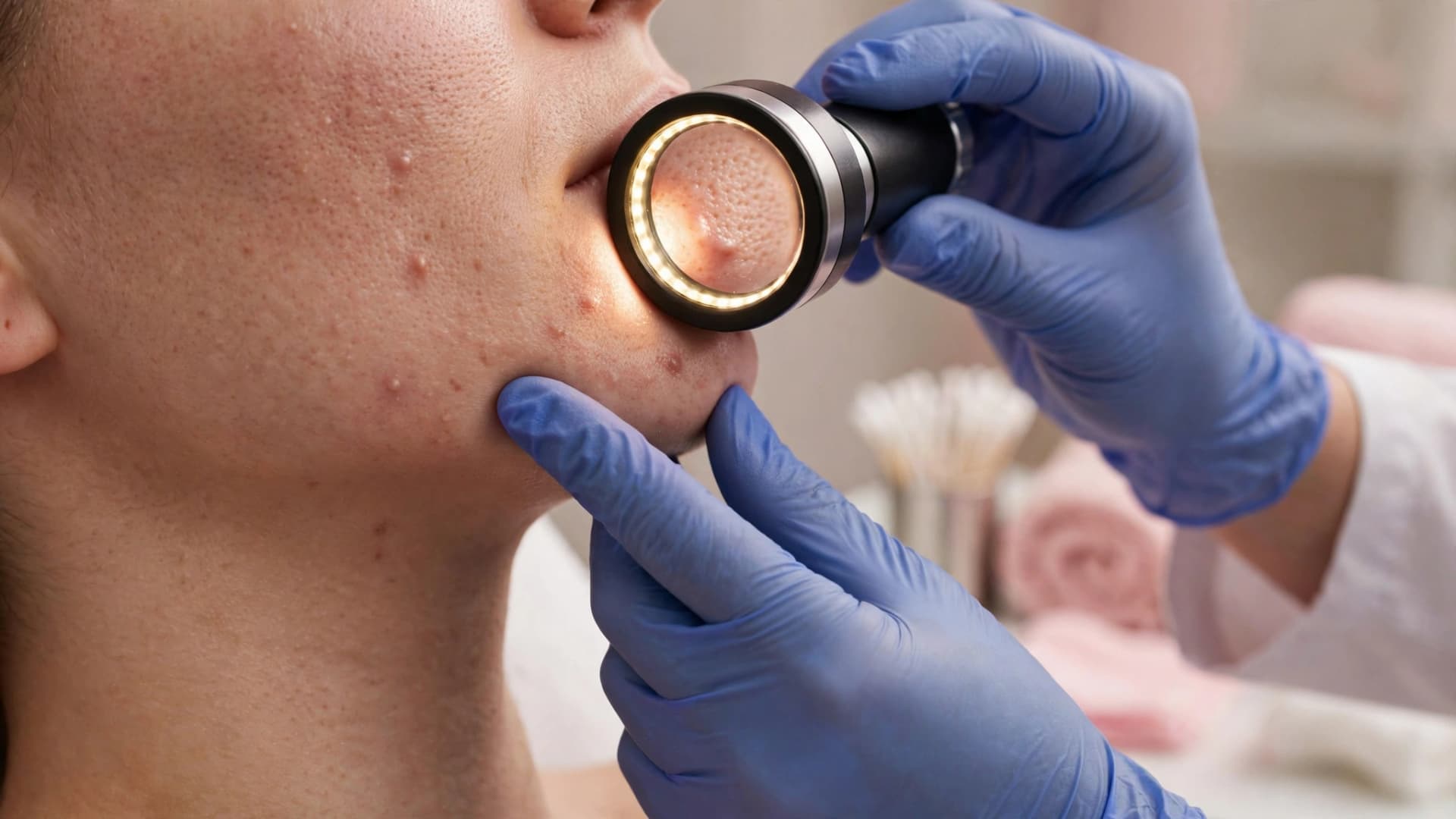
Cystic acne is one of the most painful types of acne. It is different from the ordinary pimples that we see on our face; it grows under the skin in deep roots causing painful bumps on the face and leaving behind dark spots and scars.
If you have regular painful acne breakouts, it is a good idea to understand the reasons for them and learn how to protect your skin.
What Is Cystic Acne?
Cystic acne is a severe form of inflamed acne that appears due to a pocket of oil, dead cells, and bacteria that get trapped underneath the skin surface.
As a result, a painful bump may develop beneath the surface of your skin. This bump may often feel hard and can take long to heal.
Common Signs of Cystic Acne
The common signs of cystic acne are:
- Large painful bumps under your skin surface
- Red and inflamed areas of skin
- Tender spots on touch
- Acne that heals extremely slow
- Dark spots left behind post-acne
- Scarring of the skin
Cystic acne usually occurs on the face, jaw, cheeks, trunk of body, upper back and shoulders.
What Causes Cystic Acne?
Several factors are usually associated with cystic acne; these are:
- Hormonal changes
- Increased oil production
- Genetic predisposition
- Stress
- Wrong acne skincare products
Can Cystic Acne Be Prevented?
Although it is not possible to prevent cystic acne entirely, there are certain measures that you can adopt to keep a check on your cystic acne breakouts.
- Wash your face twice a day
- Do not touch your face often
- Adopt non-comedogenic skincare products
- Always remove your makeup before going to bed
- Avoid scrubbing
- Change your pillowcases often
- Do not try to pop any cystic pimples
Most importantly, do not overdo it. Changing your skincare product too often may not help with your acne.
Should You Pop A Cystic Pimple?
Popping pimples can cause inflammation and infections; for cystic acne, it can leave behind scars and dark spots. If you have a pimple that is not healing on its own and keeps persisting, consult a dermatologist instead of trying to pop and squeeze it.
How Is Cystic Acne Treated?
The treatment for cystic acne can only be decided after a detailed discussion with a dermatologist and a proper assessment of your skin condition and type. Based on the severity, location, and other factors, a dermatologist can decide what over the counter or prescribed topical medication would work best for your skin.
The aim is not just to treat the current breakout but also to reduce the chance of further breakouts and to minimize scarring.
When Should You See A Dermatologist?
A dermatologist must be consulted if:
- Your breakouts are extremely painful and located underneath the skin
- Your acne keeps coming back
- Acne leaves behind scars and dark spots
- The over the counter products are not helping
- Acne is affecting your confidence
Getting professional help early can be critical when you have persistent and severe acne.
Simple Skin Care Tips For Acne-Prone Skin
The key to good skincare is a simple routine. Here's a basic morning and night skincare routine.
Morning:
Gentle cleanser >> Moisturizer >> Sunscreen
Night:
Gentle cleanser >> Acne treatment (as recommended by your dermatologist) >> Moisturizer
Avoid using harsh products on your face and don't use a variety of different acne treatments unless recommended by a dermatologist.
Frequently Asked Questions
1. Is cystic acne different from normal acne?
Yes, cystic acne is more severe than normal pimples and occurs under the skin.
2. Does cystic acne ever clear up on its own?
Cystic acne usually clears up by itself over time, but severe cases need a dermatologist's help.
3. Does cystic acne leave scars?
Yes, cystic acne can leave scars and dark spots if not properly taken care of.
4. Is cystic acne caused by poor hygiene?
Cystic acne is not caused by poor hygiene. It is caused by a number of different reasons including hormonal imbalance, increased sebum production, etc. Also, washing your face too often or too hard may cause irritation and cystic acne breakouts.
5. Can stress cause cystic acne?
Stress can aggravate your acne condition, but it is not a primary cause of cystic acne.
6. Should I use a scrub for cystic acne?
Scrubbing is not recommended for cystic acne as it may cause irritation to your already sensitive skin.
7. When should I consult a dermatologist for cystic acne?
You should always consult a dermatologist for cystic acne, especially for severe and persistent breakouts. If your acne is extremely inflamed, or leaves behind scars, dark spots and makes you self conscious, you should consult a dermatologist.
Final Thoughts
Cystic acne can be incredibly frustrating, especially when you have recurrent breakouts. Fortunately, there are a number of ways in which you can manage and treat your cystic acne. If you are having painful cystic pimples, it is best to avoid popping them and managing your acne condition with appropriate topical medications.
In case you have recurrent pimples that persist for a long time, it is a good idea to consult a dermatologist. Dr. Ankit Mehra can examine your skin condition and prescribe the best medication for your skin type.

