
Dr. Ankit Mehra
Published on June 20, 2026
Dark Spots and Pigmentation: Causes and Effective Treatments
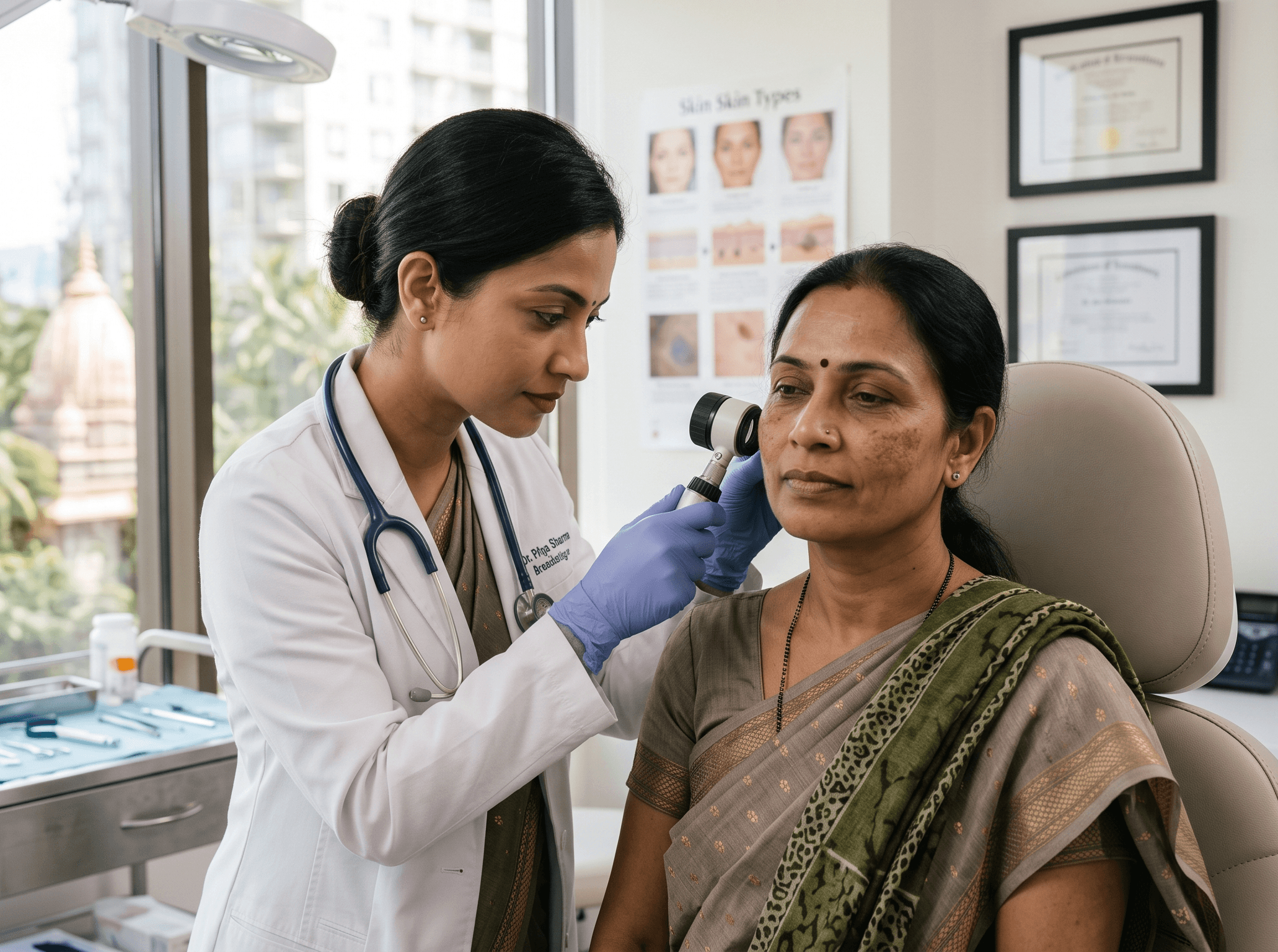
Dark spots and uneven skin pigmentation are among the most common concerns patients bring to my dermatology clinic. Whether they appear after acne, prolonged sun exposure, hormonal changes, or skin injuries, these discolorations can affect a person's confidence and overall appearance. While pigmentation is generally harmless, understanding its causes and available treatment options is essential for achieving healthier, more even-toned skin. In this article, Dr. Ankit Mehra explains what causes dark spots and pigmentation, the different types of pigmentation disorders, and the most effective treatments available today. For a personalized assessment, you can book a consultation with Dr. Ankit Mehra. To learn more about his approach to skin care, visit our About Us page.
What Are Dark Spots and Pigmentation?
Pigmentation refers to the coloring of the skin, which is determined by a natural pigment called melanin. Melanin is produced by specialized skin cells known as melanocytes. When these cells produce excess melanin in certain areas, the skin becomes darker, resulting in dark spots, patches, or uneven skin tone. Hyperpigmentation can affect people of all skin types and ages. While it is not usually a medical concern, it can be cosmetically distressing and may require professional treatment for effective improvement. Explore our complete blog library for more skin health guidance.
Common Causes of Dark Spots and Pigmentation
1. Sun Exposure
One of the leading causes of pigmentation is prolonged exposure to ultraviolet (UV) rays from the sun. UV radiation stimulates melanin production as a natural defense mechanism. Over time, repeated sun exposure can lead to sunspots, age spots, and uneven skin tone. People who spend significant time outdoors without adequate sun protection are particularly susceptible to developing pigmentation issues.
2. Post-Inflammatory Hyperpigmentation (PIH)
Post-inflammatory hyperpigmentation occurs when the skin becomes darker after an injury or inflammation. Common triggers include acne breakouts, eczema, psoriasis, burns, skin infections, and cosmetic procedures. Once the inflammation heals, excess melanin production may leave behind dark marks that can persist for months or even years. If acne is a recurring issue for you, our acne treatment services can help address it at the source.
3. Hormonal Changes
Hormonal fluctuations can trigger a condition called melasma, characterized by symmetrical brown or gray-brown patches on the face. Melasma commonly affects pregnant women, women taking birth control pills, and individuals undergoing hormone therapy. The cheeks, forehead, nose, and upper lip are the most frequently affected areas.
4. Aging
As we age, years of accumulated sun exposure can lead to the appearance of age spots, also known as liver spots. These flat, brown spots commonly develop on sun-exposed areas such as the face, hands, shoulders, and arms. Our anti-aging solutions can help address these age-related changes.
5. Certain Medications
Some medications may increase skin sensitivity to sunlight or alter melanin production, resulting in pigmentation changes. Examples include certain antibiotics, anti-inflammatory medications, and hormonal treatments.
6. Genetic Factors
Genetics can influence how much melanin your skin produces and how susceptible you are to pigmentation disorders. Individuals with darker skin tones may be more prone to certain forms of hyperpigmentation.
Types of Pigmentation Disorders
- Melasma: Appears as larger patches of discoloration, primarily on the face. It is strongly linked to hormonal changes and sun exposure.
- Sunspots (Solar Lentigines): Small, dark spots caused by chronic sun exposure. They commonly develop in middle-aged and older adults.
- Post-Inflammatory Hyperpigmentation: Develops following skin inflammation or injury and is especially common after acne.
- Freckles: Small pigmented spots that often appear in individuals with lighter skin and may become more noticeable with sun exposure.
Effective Treatments for Dark Spots and Pigmentation
The good news is that modern dermatology offers several effective treatment options for pigmentation concerns. The best approach depends on the cause, severity, and type of pigmentation. For a tailored treatment plan, explore our pigmentation treatment services.
1. Daily Sunscreen Use
Sunscreen is the foundation of any pigmentation treatment plan. Without proper sun protection, even the most advanced treatments may produce disappointing results. Choose a broad-spectrum sunscreen with SPF 30 or higher and apply it daily, regardless of weather conditions. Reapply every two hours when outdoors. Benefits of sunscreen include preventing further pigmentation, protecting treatment results, reducing skin aging, and lowering skin cancer risk.
2. Topical Skin-Lightening Agents
Several dermatologist-recommended ingredients can help reduce excess pigmentation:
- Hydroquinone: Often considered the gold standard for pigmentation treatment, it works by reducing melanin production.
- Vitamin C: A powerful antioxidant that helps brighten the skin, reduce pigmentation, and protect against environmental damage.
- Niacinamide: Improves skin tone, reduces inflammation, and helps fade dark spots over time.
- Kojic Acid: Derived from certain fungi, it helps inhibit melanin production and brighten the skin.
- Azelaic Acid: Especially useful for acne-related pigmentation and melasma.
3. Chemical Peels
Chemical peels use carefully selected acids to exfoliate the skin and remove pigmented cells. Common peel ingredients include glycolic acid, salicylic acid, lactic acid, and mandelic acid. Multiple sessions may be required for optimal results, depending on the depth of pigmentation.
4. Laser Treatments
Laser technology can effectively target excess melanin and break down pigmented cells. Popular laser options include Q-switched lasers, Pico lasers, and fractional lasers. Laser treatments should always be performed by qualified dermatology professionals to minimize complications and ensure safety. Learn more about our laser treatments.
5. Microneedling
Microneedling creates controlled micro-injuries in the skin, stimulating collagen production and improving skin texture. It can be combined with topical treatments to enhance pigmentation reduction.
6. Prescription Treatments
In some cases, dermatologists may prescribe combination creams containing multiple active ingredients to achieve faster and more effective results. Professional evaluation ensures the safest and most appropriate treatment plan for each individual. See real results from our patients in our before & after gallery.
Tips to Prevent Future Pigmentation
Preventing pigmentation is often easier than treating it. Consider the following preventive measures:
- Wear sunscreen daily.
- Use hats and protective clothing outdoors.
- Avoid picking at acne or skin lesions.
- Follow a consistent skincare routine.
- Seek early treatment for inflammatory skin conditions.
- Avoid excessive sun exposure during peak hours.
When Should You See a Dermatologist?
While many pigmentation issues are harmless, persistent or rapidly changing dark spots should be evaluated by a dermatologist. Professional assessment can help determine the underlying cause and rule out serious skin conditions. You should seek medical advice if pigmentation suddenly appears or worsens, over-the-counter treatments are ineffective, dark spots change in size, color, or shape, or you experience associated symptoms such as itching or bleeding. Contact our clinic to schedule an evaluation.
Conclusion
Dark spots and pigmentation are common skin concerns that can affect people of all ages and skin types. Fortunately, advances in dermatology have made it possible to effectively treat and manage most forms of hyperpigmentation. Successful treatment begins with identifying the underlying cause and adopting a personalized skincare approach. Consistent sun protection, appropriate topical treatments, and professional dermatological procedures can significantly improve skin tone and restore confidence.
If you are struggling with persistent pigmentation, book a consultation with Dr. Ankit Mehra today for a treatment plan tailored to your unique skin needs. For more skin health guidance, browse our complete blog library, including posts on acne & pimples, how diet affects skin health, and best skin treatments for glowing skin in 2025. You may also be interested in our laser hair removal and advanced skin treatments.
🌐 Visit: drankitmehra.com

