
Dr. Anju Depan
Published on October 5, 2026
Teenage Girls' Gynecological Health: Common Problems Every Parent Should Know
Quick answer: The most common gynecological concerns in teenage girls are irregular periods, painful periods, heavy bleeding, polycystic ovary syndrome (PCOS), vaginal infections and urinary tract infections. Most are manageable. See a doctor if bleeding is very heavy, pain stops normal activities, periods are missing for 3 months, or there is no period by age 15.
Why Parents Should Pay Attention
Puberty brings big physical and emotional changes, and many girls feel too embarrassed to speak up. Doctors now treat the menstrual cycle as a vital sign of overall health, so changes in periods can signal problems such as anemia, hormone imbalance or bleeding disorders. Calm, early conversations help you catch issues sooner.
What Is Normal? A Quick Guide for Parents
| Topic | Usually Normal | Talk to a Doctor If |
|---|---|---|
| First period (menarche) | Around ages 10 to 15, often about 12 to 13 | No period by 15, or 3 years after breast development began |
| Cycle length | 21 to 45 days in the first years | Cycles shorter than 21 or longer than 45 days, or no period for 3 months |
| Period length | 3 to 7 days | Bleeding lasts more than 7 days |
| Flow | Changing a pad or tampon every 3 to 6 hours | Soaking through one every hour for several hours, or clots larger than a coin |
| Cramps | Mild to moderate, eased by rest or pain relief | Pain causes missed school or does not respond to treatment |
| Vaginal discharge | Clear or white, mild smell | Strong odour, itching, green or yellow colour, or pain |
7 Common Gynecological Problems in Teenage Girls
1. Irregular Periods
Cycles often take up to two years after the first period to settle. Stress, weight change, intense exercise and illness can also disturb them. Keep a simple period calendar so a doctor can see the pattern.
2. Painful Periods (Dysmenorrhea)
Cramps are very common. Heat packs, gentle exercise and doctor-advised pain relief usually help. Severe pain that returns every month can point to conditions such as endometriosis, which is often diagnosed late in teens.
3. Heavy Menstrual Bleeding
Very heavy periods can cause anemia and sometimes reveal an underlying bleeding disorder. Watch for fatigue, dizziness, paleness, or needing to change protection overnight.
4. Polycystic Ovary Syndrome (PCOS)
PCOS may show up as irregular periods, acne, excess facial or body hair and weight changes. Diagnosis in teens needs care because irregular cycles are common early on. Lifestyle changes and medical support can help.
5. Vaginal Discharge and Infections
Some discharge is a healthy sign of puberty. Yeast infections and bacterial vaginosis cause itching, odour or unusual discharge and need proper diagnosis rather than home remedies.
6. Urinary Tract Infections (UTIs)
Burning while passing urine, frequent urges, lower belly pain or fever need medical care. Untreated UTIs can spread to the kidneys.
7. Delayed Puberty or Missing First Period
This can have many causes, including hormonal, nutritional or genetic factors. Early evaluation gives the best options.
Common Problems at a Glance
| Problem | Common Signs | Helpful First Steps |
|---|---|---|
| Irregular periods | Unpredictable timing, skipped months | Track cycles, balanced diet, manage stress |
| Painful periods | Cramps, back pain, nausea | Heat, rest, doctor-advised pain relief |
| Heavy bleeding | Hourly pad changes, clots, tiredness | Medical review and blood tests |
| PCOS | Acne, hair growth, irregular cycles | Specialist assessment, healthy routines |
| Vaginal infection | Itching, odour, unusual discharge | Avoid douching, see a doctor |
| UTI | Burning urine, frequent urges | Fluids and prompt medical care |
| Delayed puberty or missing first period | No period by 15, no breast development by 13 | Early evaluation by a doctor |
Seek urgent care if: your daughter has sudden severe pelvic pain (especially with vomiting), soaks through a pad every hour, feels faint, or has fever with lower belly pain.
Everyday Hygiene and Prevention
| Habit | Why It Matters | Tip |
|---|---|---|
| Wash the outer genital area | Prevents irritation and infection | Use plain water or a mild, unscented cleanser; avoid douching |
| Change pads and tampons on time | Reduces infection risk | Pads every 4 to 6 hours; tampons never longer than 8 hours |
| Wear breathable underwear | Limits moisture and yeast growth | Choose cotton and change out of wet clothes promptly |
| Wipe front to back and stay hydrated | Lowers the risk of urinary infections | Drink water through the day |
| HPV vaccination | Protects against cervical cancer later in life | Recommended around ages 11 to 12 by agencies such as the CDC; check your local schedule |
The First Gynecologist Visit
The American College of Obstetricians and Gynecologists recommends a first visit between ages 13 and 15. It is mainly a conversation about periods, growth, hygiene and health, and a pelvic exam is usually not needed. Booking this visit with an experienced gynecologist helps your daughter feel comfortable asking questions from the start.
| Question | Answer |
|---|---|
| Recommended age | Between 13 and 15 (ACOG) |
| Main purpose | A conversation about periods, growth, hygiene and health |
| Is a pelvic exam needed? | Usually not at the first visit |
| Cervical cancer screening | Generally starts much later, around age 21 in the US |
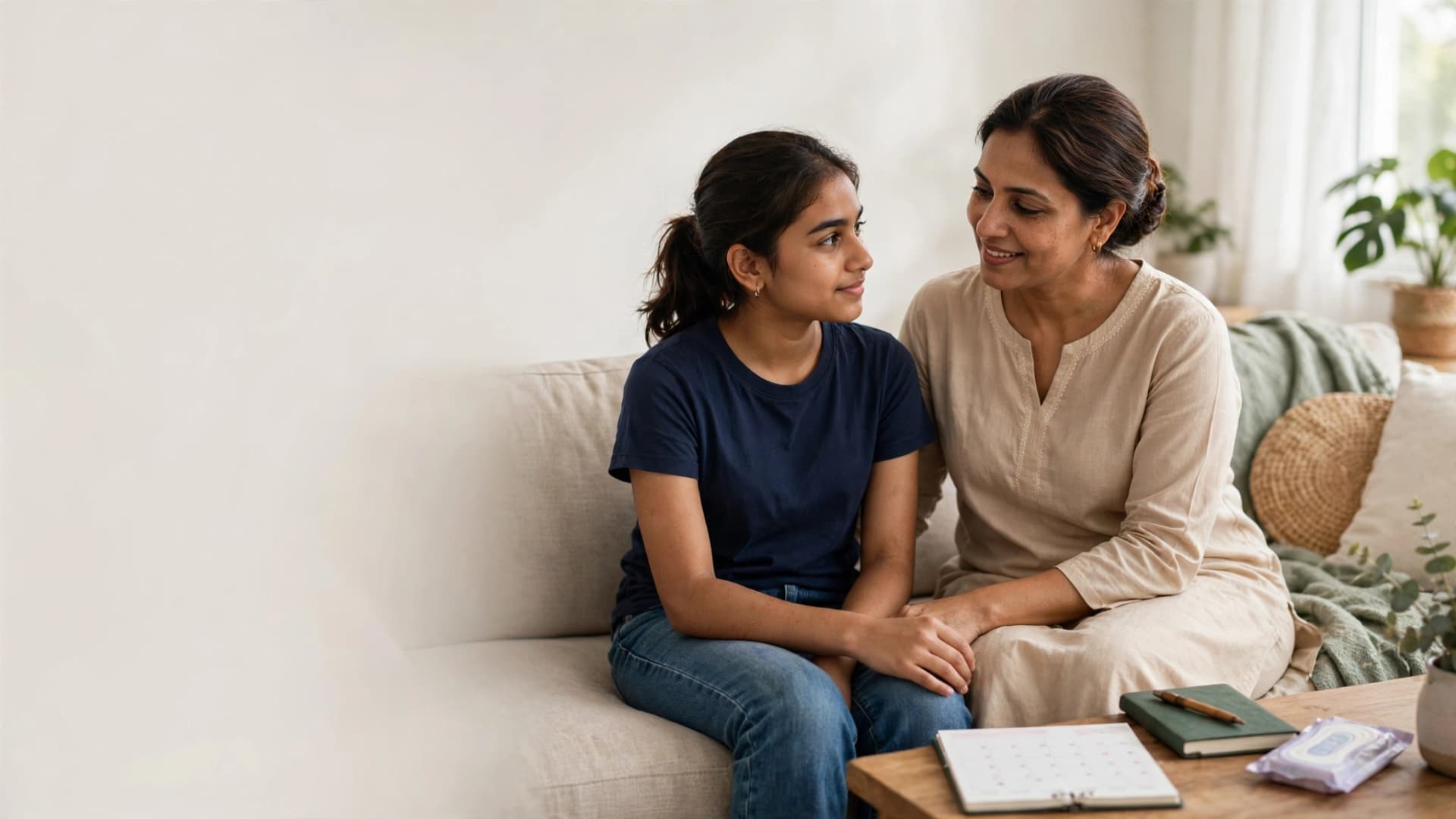
How to Talk to Your Daughter
| Step | How to Do It |
|---|---|
| Start early | Talk before her first period, using simple and accurate words |
| Be prepared | Pack a small period kit for her school bag |
| Stay calm | Be non-judgmental so she feels safe asking questions |
| Explain the basics | Share what is normal and when to tell you something feels wrong |
| Build independence | Give her time alone with the doctor as she grows older |
Note: This article is educational and does not replace medical advice. Every girl develops differently, so consult a qualified doctor about your daughter's symptoms.
Final Thoughts
Teenage gynecological problems are common, and most are treatable when caught early. Learn what is normal, track her cycle, keep the conversation open, and book an adolescent gynecology consultation when something feels off. Your calm support today builds lifelong health habits for your daughter.
Frequently Asked Questions
1. At what age should a teenage girl first see a gynecologist?
ACOG recommends a first visit between ages 13 and 15. It is usually a conversation and education visit, and often no pelvic exam is needed.
2. Are irregular periods normal in teenagers?
Yes, especially in the first two years. See a doctor if periods stop for 3 months, come more often than every 21 days, or are more than 45 days apart.
3. How long should a teenage girl's period last?
Typically 3 to 7 days. Bleeding beyond 7 days or soaking through pads every hour needs medical attention.
4. Is period pain normal in teenage girls?
Mild to moderate cramps are common. Pain that stops school or activities, or does not improve with recommended relief, should be checked.
5. When should parents worry about a missing first period?
See a doctor if there is no period by 15, none within 3 years of breast development starting, or no breast development by 13.

