
Dr. Anju Mehra
Published on April 28, 2026
Foods to Eat During Pregnancy for a Healthy Baby – Complete Nutrition Guide
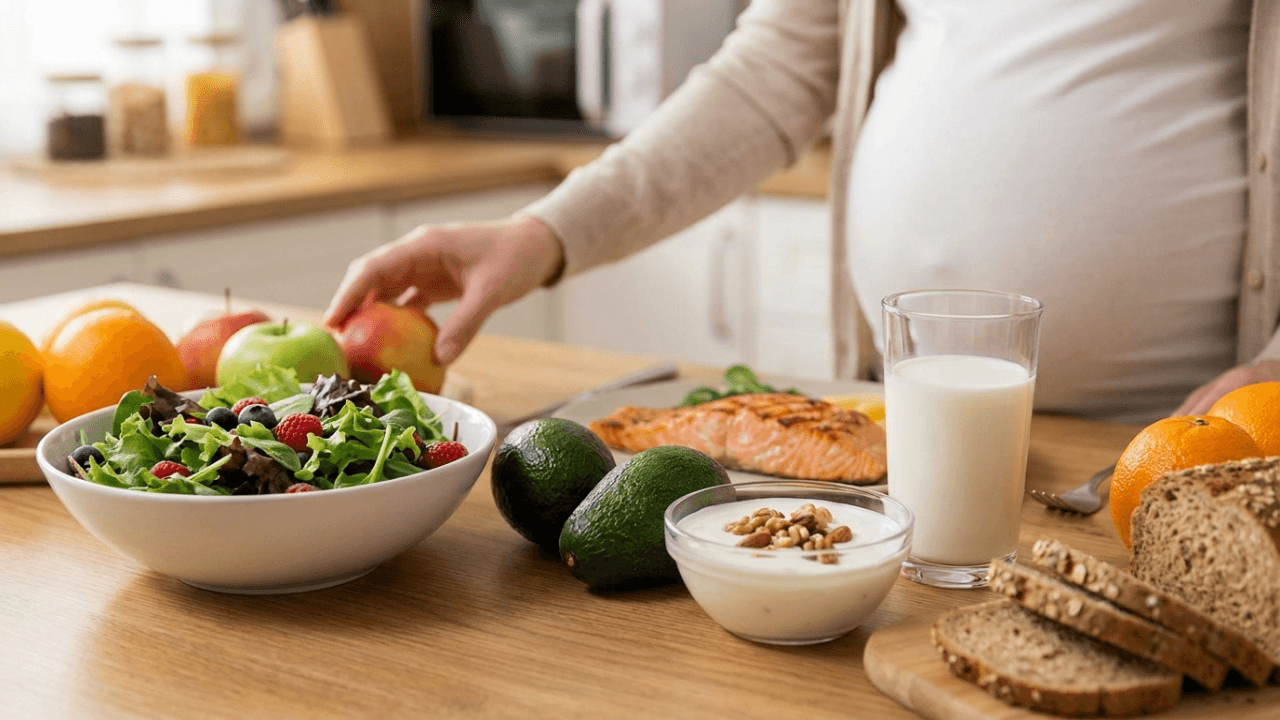
Pregnancy is a transformative journey where every bite you take nourishes not just your body but also your growing baby. Eating the right foods during pregnancy supports fetal brain development, bone growth, organ formation, and a healthy immune system. It also reduces the risk of birth defects, preterm labor, and maternal complications. This comprehensive guide covers the best pregnancy superfoods, essential nutrients, meal ideas, and foods to avoid — all to help you and your baby thrive. For personalized prenatal care, you can book a consultation with Dr. Anju Mehra.
Why Nutrition Matters During Pregnancy
During pregnancy, your body needs increased amounts of macronutrients (protein, healthy fats, complex carbs) and micronutrients (folate, iron, calcium, iodine, vitamin D, DHA). A well-balanced diet reduces the risk of neural tube defects, anemia, preeclampsia, gestational diabetes, and low birth weight. It also sets the foundation for your baby’s lifelong metabolic health. For overall wellness, explore our skin treatments and hair treatments that can help address pregnancy-related changes.
Top 10 Best Foods to Eat During Pregnancy
- 1. Leafy Green Vegetables (Spinach, Kale, Broccoli): Packed with folate, iron, vitamin C, and fiber. Folate prevents neural tube defects; iron supports increased blood volume and prevents anemia. Aim for 2–3 servings daily.
- 2. Eggs: A complete protein source containing choline, which is critical for fetal brain and spinal cord development. One egg provides about 147 mg of choline (close to 30% of daily needs). Ensure they are fully cooked.
- 3. Salmon and Sardines (Low-Mercury Fish): Rich in DHA omega-3 fatty acids, essential for baby’s brain and eye development. Eat 2–3 servings per week. Avoid high-mercury fish like shark, swordfish, and king mackerel.
- 4. Legumes (Lentils, Chickpeas, Beans): Excellent plant-based sources of folate, fiber, protein, and iron. They help prevent constipation and stabilize blood sugar.
- 5. Dairy Products (Milk, Yogurt, Cheese): High in calcium, vitamin D, and protein. Calcium builds baby’s bones and teeth, and also protects your own bone density. Greek yogurt provides extra probiotics.
- 6. Berries (Blueberries, Strawberries, Raspberries): Loaded with antioxidants, vitamin C, and water. Vitamin C helps iron absorption and supports immune function.
- 7. Whole Grains (Oats, Quinoa, Brown Rice, Whole Wheat): Provide complex carbohydrates, B vitamins, and fiber. They give steady energy and reduce the risk of hemorrhoids and constipation.
- 8. Sweet Potatoes: Rich in beta-carotene, which the body converts to vitamin A. Vitamin A is crucial for fetal eye, skin, and bone development. Also high in fiber and vitamin B6.
- 9. Lean Meats (Chicken, Turkey, Lean Beef): Excellent sources of high-quality protein, iron, and zinc. Iron deficiency during pregnancy is common; lean red meat in moderation helps replenish iron stores.
- 10. Nuts and Seeds (Almonds, Walnuts, Chia Seeds, Flaxseeds): Provide healthy fats, magnesium, zinc, and plant-based omega-3s. Walnuts are particularly good for brain development.
Essential Nutrients for a Healthy Pregnancy
- Folate (Folic Acid): 600 mcg/day. Sources: Leafy greens, legumes, fortified cereals, oranges. Prevents neural tube defects.
- Iron: 27 mg/day. Sources: Lean red meat, spinach, beans, iron-fortified oatmeal. Prevents anemia and supports oxygen delivery to baby.
- Calcium: 1,000 mg/day. Sources: Dairy, fortified plant milks, tofu, sardines. Builds fetal skeleton and preserves maternal bone mass.
- Vitamin D: 600 IU/day. Sources: Sunlight, fortified milk, fatty fish, eggs. Enhances calcium absorption and immune function.
- DHA (Omega-3): 200–300 mg/day. Sources: Salmon, sardines, algae oil supplements. Critical for brain and retina development.
- Iodine: 220 mcg/day. Sources: Iodized salt, seafood, dairy. Supports fetal thyroid and brain development.
- Choline: 450 mg/day. Sources: Eggs, beef liver (in moderation), peanuts, cauliflower. Prevents neural tube defects and supports memory development.
Sample Daily Meal Plan for Pregnancy
- Breakfast: Oatmeal made with milk, topped with berries and chopped walnuts + 1 hard-boiled egg.
- Morning Snack: Greek yogurt with a drizzle of honey and a handful of almonds.
- Lunch: Grilled salmon or lentil bowl with quinoa, steamed broccoli, and avocado slices.
- Afternoon Snack: Apple slices with peanut butter or a small sweet potato.
- Dinner: Lean chicken or chickpea curry with brown rice and sautéed spinach.
- Evening Snack (if hungry): A glass of warm milk or a small banana.
Foods to Avoid or Limit During Pregnancy
- Raw or undercooked meat, eggs, seafood: Risk of salmonella, toxoplasmosis, or listeria.
- High-mercury fish: Shark, swordfish, king mackerel, bigeye tuna. Mercury harms fetal nervous system.
- Unpasteurized dairy and juices: Can contain listeria bacteria.
- Raw sprouts (alfalfa, clover, radish): High risk of bacterial contamination.
- Excess caffeine: Limit to 200 mg/day (about one 12-oz coffee). High caffeine linked to miscarriage risk.
- Alcohol: No safe amount; can cause fetal alcohol spectrum disorders.
- Processed junk foods: High in sugar and unhealthy fats, leading to excessive weight gain and gestational diabetes.
Managing Common Pregnancy Discomforts with Diet
- Morning sickness: Eat small, frequent meals; try dry crackers, ginger tea, or lemon water. Avoid fatty or spicy foods.
- Constipation: Increase fiber (legumes, whole grains, prunes) and drink 8–10 glasses of water daily.
- Heartburn: Avoid large meals, eat slowly, and avoid citrus, tomatoes, and fried foods. Stay upright after eating.
- Fatigue: Eat iron-rich foods (spinach, lentils, lean meat) and pair with vitamin C (oranges, bell peppers) to boost absorption.
Should You Take Prenatal Vitamins?
Yes. Even with a perfect diet, most pregnant women need a daily prenatal vitamin to fill nutritional gaps. Look for one containing at least 400–800 mcg folic acid, 27 mg iron, 200–300 mg DHA, and 150–200 mcg iodine. Start taking it at least one month before conception and continue through breastfeeding. Always consult your doctor before adding any supplement. For skin changes during pregnancy like melasma or acne, read our guide on hormonal acne treatments and consider our professional acne treatment options.
Hydration Tips During Pregnancy
Drink at least 8–10 glasses (2–2.5 liters) of water daily. Proper hydration prevents urinary tract infections, constipation, and overheating. Coconut water, milk, and herbal teas (like peppermint or rooibos) are excellent choices. Avoid sugary sodas and artificially sweetened beverages.
Vegetarian and Vegan Pregnancy Nutrition
Plant-based pregnancies are safe and healthy with careful planning. Ensure adequate intake of:
- Protein: Tofu, tempeh, lentils, chickpeas, quinoa, hemp seeds.
- Iron: Lentils, spinach, fortified cereals — pair with vitamin C (lemon juice, tomatoes).
- Calcium: Fortified plant milks, calcium-set tofu, tahini, almonds.
- Vitamin B12: Essential supplement (2.6 mcg/day) because B12 is only found in animal products.
- DHA: Algae-based omega-3 supplement.
Pregnancy, Skin Health, and Hair Health
Pregnancy hormones can cause acne, pigmentation (melasma), and hair changes. For safe and effective solutions, explore our dedicated services: pigmentation treatment, skin rejuvenation, and hair loss treatments. Always inform your provider that you are pregnant before starting any procedure.
Signs You May Need Extra Nutritional Support
- Severe fatigue, pale skin, shortness of breath (possible iron deficiency anemia)
- Muscle cramps, especially in legs (low calcium or magnesium)
- Frequent infections or slow healing (low zinc or vitamin C)
- Excessive nausea preventing you from eating balanced meals
If you experience any of these, contact our clinic for a nutritional assessment. You can also book a consultation with Dr. Anju Mehra for personalized advice.
Weight Gain Recommendations During Pregnancy
Appropriate weight gain depends on your pre-pregnancy BMI:
- Underweight (BMI <18.5): 28–40 lbs (12.5–18 kg)
- Normal weight (BMI 18.5–24.9): 25–35 lbs (11.5–16 kg)
- Overweight (BMI 25–29.9): 15–25 lbs (7–11.5 kg)
- Obese (BMI ≥30): 11–20 lbs (5–9 kg)
Most weight gain should occur in the second and third trimesters — about 1 lb per week.
Conclusion
Eating a varied, nutrient-dense diet during pregnancy is one of the most powerful ways to support your baby’s lifelong health. Focus on whole foods like leafy greens, lean protein, healthy fats, legumes, and colorful fruits. Stay hydrated, take your prenatal vitamins, and avoid harmful foods. Every healthy meal you enjoy is an investment in your baby’s future. For personalized dietary guidance or if you have pre-existing conditions like diabetes or thyroid disorders, schedule a consultation with Dr. Anju Mehra. For more wellness tips, explore our complete blog library on skin, hair, and overall health during pregnancy and beyond.
🌐 Visit: drankitmehra.com

