Dr. Anju Mehra
Published on March 7, 2026
Why Do Pimples Keep Coming Back? Dermatologist Explains Causes & Treatment
Pimples are one of the most common skin concerns faced by teenagers and adults alike. Many people treat acne with creams or home remedies, and the pimples may disappear for some time. However, a very common question patients ask is: Why do pimples keep coming back?
If you are also struggling with recurring acne, you are not alone. According to dermatology experts, pimples can come back due to multiple internal and external factors. Understanding the real causes can help you choose the right acne treatment in Ajmer and prevent future breakouts.
In this article, we will discuss why pimples return frequently, the common mistakes people make, and effective dermatologist-recommended treatments.
What Are Pimples?
Pimples, also known as acne, occur when hair follicles on the skin become clogged with oil, dead skin cells, and bacteria. This blockage leads to inflammation and the formation of whiteheads, blackheads, papules, pustules, or cystic acne.
Acne most commonly appears on the:
- Face
- Forehead
- Nose
- Chin
- Chest
- Back
While acne is very common during teenage years, many adults continue to experience breakouts due to lifestyle, hormonal changes, and skin care habits.
Why Do Pimples Keep Coming Back?
There are several reasons why pimples keep returning even after treatment.
1. Excess Oil Production
One of the biggest causes of recurring pimples is overactive sebaceous glands that produce too much oil (sebum). Excess oil mixes with dead skin cells and blocks pores, creating the perfect environment for acne. People with oily skin are more likely to experience repeated breakouts.
2. Hormonal Imbalance
Hormones play a major role in acne development. Hormonal changes increase oil production, which leads to clogged pores. Common situations where hormones trigger pimples include:
- Teenage puberty
- Menstrual cycle
- PCOS (Polycystic Ovary Syndrome)
- Stress-related hormonal changes
This is why many women experience pimples around the chin and jawline during periods.
3. Using the Wrong Skincare Products
Using products that are too oily or comedogenic (pore-clogging) can worsen acne. Many people unknowingly use:
- Heavy moisturizers
- Oil-based makeup
- Harsh face washes
These products can irritate the skin and cause repeated pimples. Dermatologists recommend non-comedogenic and oil-free skincare products for acne-prone skin.
4. Poor Skin Cleansing Routine
Not cleaning your skin properly allows dirt, sweat, oil, and pollution to accumulate on the skin surface. Common mistakes include:
- Not washing the face after sweating
- Sleeping with makeup on
- Overwashing the face (which damages the skin barrier)
A simple twice-daily cleansing routine is essential to prevent breakouts.
5. Stress and Lifestyle Factors
Stress increases the production of cortisol, a hormone that can stimulate oil glands and worsen acne. Lifestyle habits that can contribute to pimples include:
- Lack of sleep
- Unhealthy diet
- Excess sugar consumption
- Smoking
Maintaining a balanced lifestyle can significantly improve skin health.
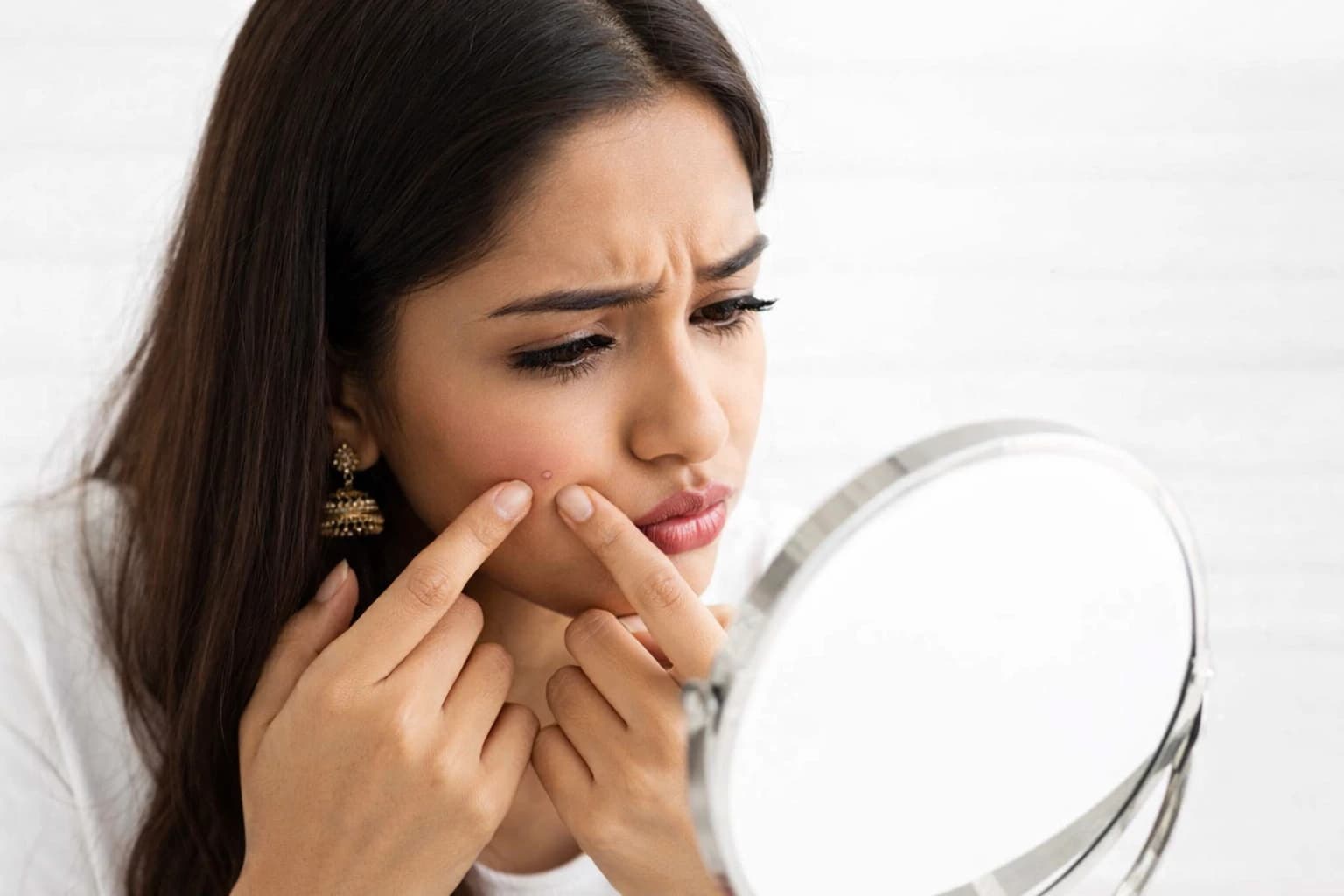
6. Touching or Picking Pimples
Many people develop a habit of touching or popping pimples. This spreads bacteria and causes more inflammation. Picking pimples can also lead to:
- Acne scars
- Skin infections
- Dark spots
Dermatologists strongly advise never squeezing pimples. If you have scars, you may need laser treatment for acne scars.
7. Bacterial Growth
The bacteria Cutibacterium acnes plays an important role in acne formation. When pores are clogged, this bacteria multiplies rapidly, causing redness and swelling. Without proper treatment, the infection can return again and again.
Common Mistakes That Make Pimples Worse
According to dermatology specialists, many patients unknowingly make mistakes that trigger recurring acne. Some of these include:
- Trying too many skincare products at once
- Using harsh scrubs on inflamed skin
- Following random home remedies from the internet
- Stopping treatment too early
- Ignoring professional medical advice
Acne treatment requires consistency and patience to see long-term results.
Effective Dermatologist-Recommended Treatments
The right treatment depends on the type and severity of acne. A dermatologist may recommend the following options.
1. Topical Medications
These are creams or gels applied directly to the skin. Common ingredients include:
- Retinoids
- Benzoyl peroxide
- Salicylic acid
- Antibiotic creams
These medications help unclog pores, reduce bacteria, and control oil production.
2. Oral Medications
For moderate to severe acne, doctors may prescribe oral medicines such as:
- Antibiotics
- Hormonal therapy (for women)
- Isotretinoin (in severe cases)
These medications treat acne from the inside and reduce recurring breakouts.
3. Chemical Peels
Chemical peels help remove dead skin cells and improve skin texture. They also reduce acne marks and prevent clogged pores. This treatment is commonly used in dermatology clinics.
4. Laser and Light Therapy
Advanced treatments like laser therapy can reduce acne-causing bacteria and inflammation. These procedures are especially helpful for persistent or treatment-resistant acne. You can read more about the best acne treatment options recommended by dermatologists.
5. Proper Skincare Routine
A dermatologist-approved skincare routine usually includes:
- Gentle cleanser (twice daily)
- Oil-free moisturizer
- Sunscreen (SPF 30 or higher)
- Acne treatment products
Consistency with skincare is essential for long-term results.
Tips to Prevent Pimples from Coming Back
Here are some simple tips recommended by Dr. Anju Mehra to prevent recurring acne:
- ✔ Wash your face twice daily with a gentle cleanser
- ✔ Use non-comedogenic skincare products
- ✔ Avoid touching or popping pimples
- ✔ Maintain a healthy diet and drink enough water
- ✔ Manage stress through exercise or meditation
- ✔ Remove makeup before sleeping
- ✔ Consult a dermatologist if acne persists
These small habits can make a big difference in maintaining clear skin.
When Should You See a Dermatologist?
If your pimples:
- Keep coming back frequently
- Leave scars or dark spots
- Do not improve with over-the-counter treatments
- Become painful or cystic
then it is important to seek professional help. A qualified dermatologist can diagnose the underlying cause and create a personalized treatment plan for your skin.
Final Thoughts
Recurring pimples can be frustrating and affect self-confidence. However, understanding the root causes and following proper treatment can significantly reduce breakouts. Instead of experimenting with random products, it is always better to consult a skin specialist. With the right guidance and skincare routine, achieving healthier and clearer skin is absolutely possible.

